Rasmussens Dynamic Safety Barriers
Andrew Hatch

|
Broaden your perspective on internal and external forces that create risk |

|
Get greater value from post-mortems and ask better questions |

|
Understand where the margins for error exist and how to reinforce them |

|
References and further reading |

Jens Rasmussen
(1926 - 2018)
Human factors and Safety Science




Socio-Technical Systems
- Hierarchical
- Multi-disciplinary
Systems Thinking






Rasmussen Structural Hierarchy

Perfect Socio Technical System!








The strongest barrier, also the easiest to see

Authoritative power

Ruthless
















 
|
Burnout, toxicity |
 
|
Silos and politics |

|
Attrition increases, talent dilutes |
Regulatory and Compliance, mostly


Performance Barrier



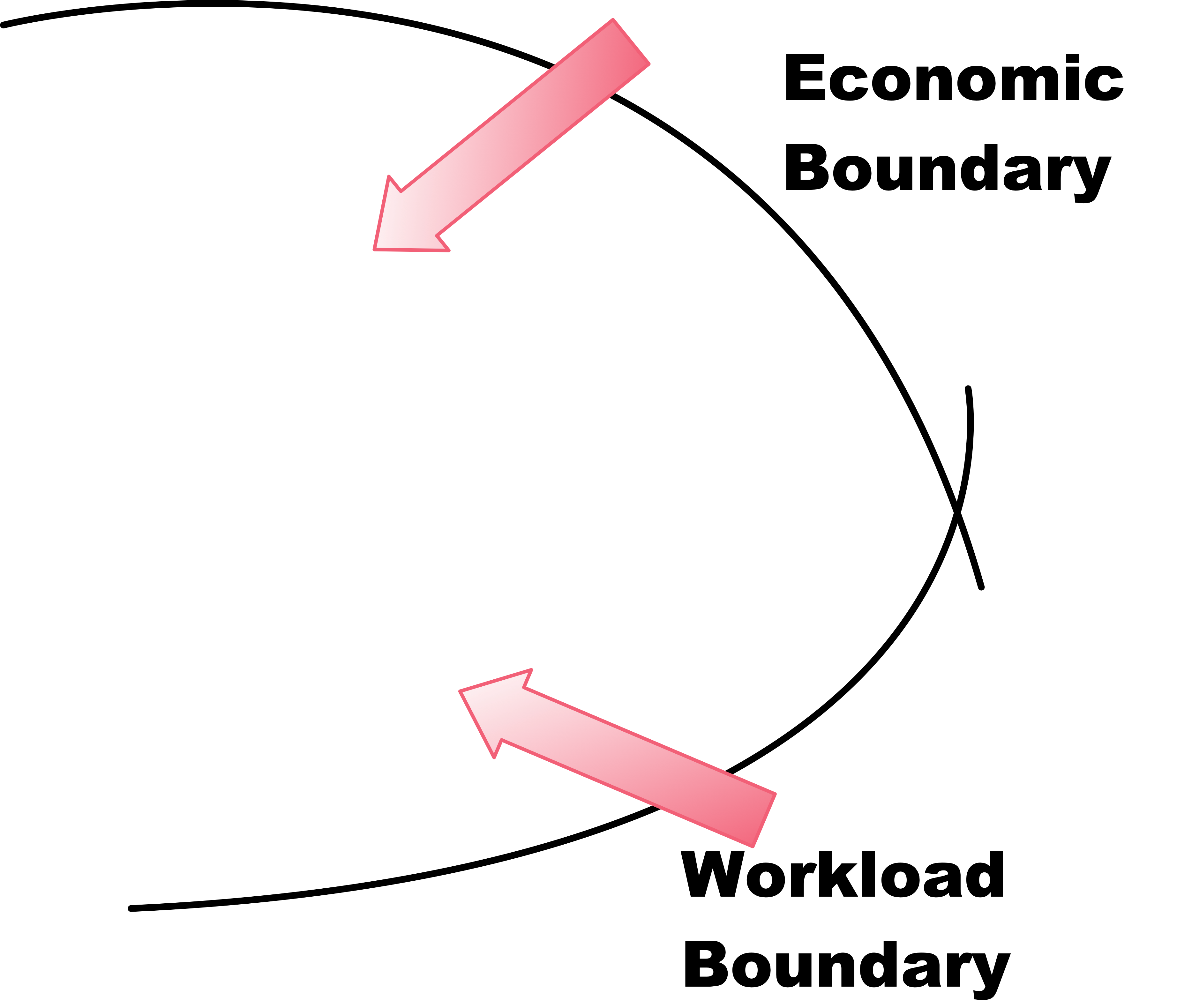
Economic Barrier





|
The weakest barrier, pushback may require extreme measures |

|
Operations are the last line of defence |

|
Boundary visibility and awareness becomes difficult as complexity grows |

|
Defence-in-depth strategies to maintain the error margin are crucial |





Threats are mostly internal, economic and workload forces create constant pressure
Acts as a "virtual boundary" i.e. if we cross it, bad things start happening
Never static. Can drift undetected a.k.a "Normalization of Deviance"
Major deviations can be powerful forces against other boundaries i.e. we can harness how upset VPs get!












Normalization of Deviance
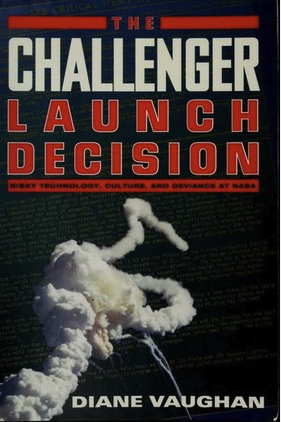
"...the process in which deviance from correct or proper behavior or rule becomes culturally normalized"
When the Error Margin starts drifting to the boundary
And it's hidden by rationalization/cover-up of systemic failures









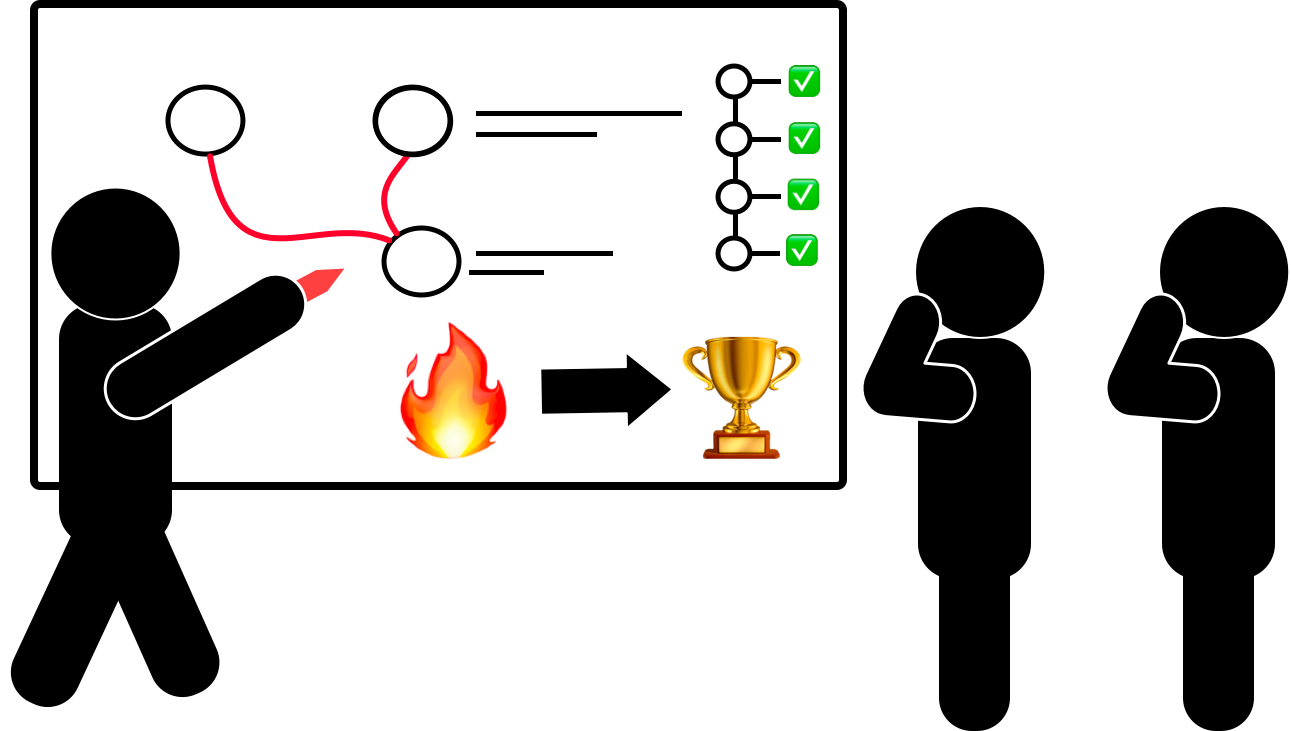

Open vs Closed Loop
Error Margin Tests

Organic
Synthetic Fault Injection






Deviance to Normal, steady-state behavior
|
|
Don't play root cause whack-a-mole on the Performance Boundary. Look broader, consider all contributing factors. Understand. |
|
|
Do you know how much buffer your Error Margins have? Are your systems brittle/robust? |

|
What deviances are you normalizing? How close to the edge of the envelope are you operating? |
|
|
Are your new intiatives increasing Error Margin resilience or awareness? If not, should you really be doing them? |
References and Further reading
Risk Management in a
Dynamic Society - J.Rasmussen
Thinking in Systems -
D.Meadows
The Challenger
Lauch Decision - D.Vaughn
Critiques on Root Cause
D.Woods, R.Cook, E.Hollnagel, S.Dekker et al
Normal
Accidents - C.Perrow
Learning More from Complex Systems
- A.Hatch
Thank you!
https://sitecon23.hatchman76.com
Socio Technical Systems
...in organizational development (Socio Technical Systems) is an approach to complex organizational work design that recognizes the interaction between people and technology in workplaces.